

Education
How to tell if a plastic bag is safe for food
Not every plastic bag should touch food directly. Here are the marks to look for and the habits to avoid, according to Indonesia's food and drug agency (BPOM).
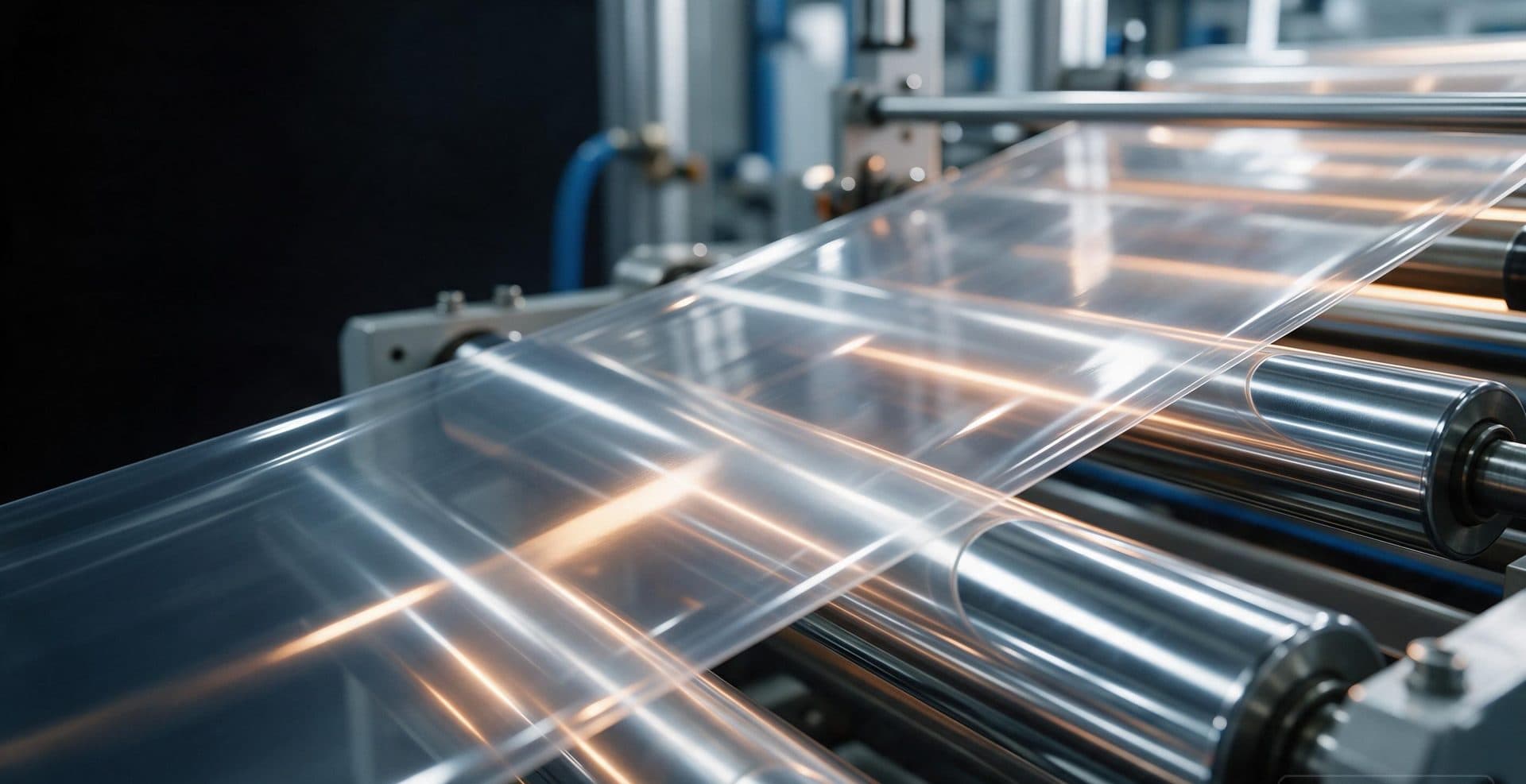
Many food businesses use whatever plastic bag the market sells to wrap fried snacks, meat or cakes. Yet Indonesia's food and drug agency (BPOM) has long warned that not every plastic is safe in direct contact with food.
Why ordinary carrier bags are not suitable for food
According to BPOM's public explanation on plastic carrier bags, most carrier bags (kresek) are made from recycled plastic. The raw material can come from used food containers, chemicals, pesticides and even waste, and the recycling process may use chemicals that are harmful to health.
That is why BPOM advises against using recycled carrier bags to hold raw foods such as meat and fish directly, or ready-to-eat food.
First sign: the food-grade logo
Look for the glass-and-fork symbol, or the words TARA PANGAN. Under Minister of Industry Regulation No. 24/M-IND/PER/2/2010, this logo indicates packaging that is safe for food, and plastic food packaging sold in Indonesia must carry it together with the recycling code.
- The logo must be easy to see and must not fade or peel off easily.
- Bags with no logo and no statement of material are best not used for ready-to-eat food.
Second sign: the material is stated
BPOM names common plastics used for food packaging, including HDPE, LDPE, PET and PP. Under the new food packaging regulation, polyethylene (PE, including HDPE and LLDPE) and polypropylene (PP) may be used as long as they meet migration limits - the limits on how much substance may move from the packaging into the food.
Ask your supplier to state the material in writing. If a supplier does not know or will not say, the material is not being controlled.
Match the packaging to the food
BPOM also reminds producers that packaging should suit the type of food and the processing conditions, such as hot filling. Packaging that is safe for dry crackers is not necessarily suitable for hot soup or oily food. Ask your packaging supplier what the material is designed for.
Rules are getting stricter
Since June 2026, BPOM Regulation No. 11 of 2026 on Food Packaging requires every producer of packaged food to use packaging materials that do not harm human health. Read more in BPOM's new 2026 food packaging rules.
In short
- Do not use recycled carrier bags for ready-to-eat food, meat or fish.
- Look for the glass-and-fork logo or the words tara pangan.
- Ask for the material to be stated in writing.
- Match the packaging to the temperature and type of food.
Trigunung's food packaging line is made with food-grade material under an ISO 9001:2015 and Halal certified quality system. Need packaging for crackers, bread, meatballs or frozen food? See our food packaging or contact our team for a material recommendation.